
Blog / Tony Volkswagen Blogs

How Long Has It Been Since Your Last VW Oil Change?


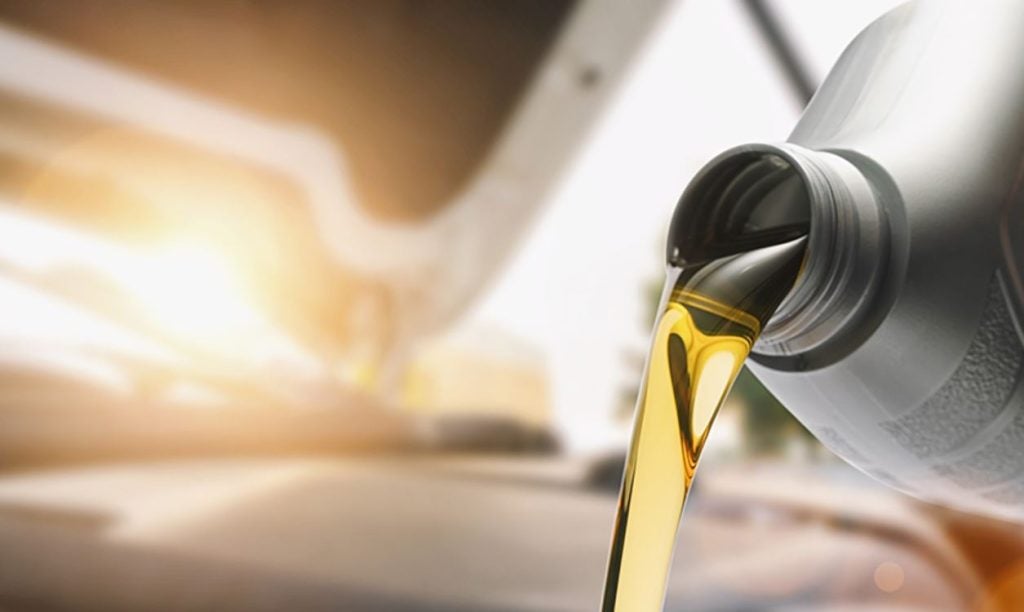
You drive a Volkswagen because you know it's a reliable and safe car. Routine VW oil changes are essential for your Jetta, Taos, or Tiguan to stay in excellent running condition. The qualified technicians at your Volkswagen dealer perform expert oil changes and use the best quality oil to ensure your engine runs smoothly.

How Long Has It Been Since Your Last VW Oil Change?

Volkswagen Oil Change Intervals

Depending on your Volkswagen model, year, and engine type, the factory recommends an oil change every 10,000 miles or every six months to ensure your engine stays well-lubricated, clean, and protected.
During an oil change, the technician will visually inspect all major components, check the fluid levels, brakes, airbags, headlights, and wiper blades, and perform a tire rotation. The oil change intervals mentioned here are general guidelines. Please check your car's owner's manual for the oil change intervals for your specific Volkswagen model.

The Proper Oil

Quality oil keeps your engine clean, reduces friction and wear, and maximizes performance. The technicians at your dealership know which grade of oil is best for your Volkswagen engine to provide optimal lubrication. You will find information on the correct oil in your owner's manual, or ask your Volkswagen technician for advice on the right oil for your vehicle.

Complimentary Multi-Point Inspections

Every time you take your Volkswagen for an oil change, the Volkswagen technicians will also perform a multi-point inspection and detailed report free of charge. The in-depth inspection is a quick way to assess the operating condition of your vehicle to determine if any maintenance and repairs are necessary.

Volkswagen Care1 Plans

Volkswagen Care1 offers seven prepaid scheduled maintenance plans with fixed parts and labor costs for factory-recommended maintenance intervals performed at your Volkswagen dealer. The plan covers various maintenance intervals, protects you against inflation, and provides access to maintenance services, including oil changes, from qualified Volkswagen technicians.
The cover includes 24-hour roadside assistance for three years or 36,000 miles, free towing, battery jump start service, flat tire service, fuel delivery service, and more for all 2016 and newer Volkswagen models.

Specials and Service Packages

Your Volkswagen dealer helps you take care of your vehicle by offering a range of service packages that include oil changes to help you save money. Look on their website for money-saving service packages or speak to one of the service consultants for more information on all the great deals.

Convenient Appointment Scheduling

There are three easy and convenient ways to schedule an oil change at your Volkswagen dealer. You can call them, use the online scheduler on their website, or the easy-to-use smartphone app.
Trust the Volkswagen pros who understand your car and know what it takes to keep it in perfect condition. Schedule an oil change at Tony Volkswagen today to ensure your car is fuel-efficient, your engine runs smoothly, and your vehicle last longer.

Posted in:

Related Posts

5 Car Maintenance Tips to Keep Your VW in Great Shape

Getting the right car maintenance is the key to extending your car's lifespan, retaining its value, and avoiding costly repairs. You can get all the essential services to maintain your car at your local VW dealership. Let's take a look at some of the things you should do to keep your car in top shape. more 5 Car Maintenance Tips from Your VW Dealership to Keep Your Car in Great Shape 1. Maintain Your Fluid Levels Having a healthy amount of each fluid in your vehicle is vital to making sure the car runs well. You need enough motor oil to lubricate the engine, enough transmission fluid to make shifting gears smooth, enough brake fluid to prevent corrosion and amplify your braking force, and so on. Visiting the dealer for regular top-offs will help keep your car running well, and getting the fluids changed out when needed is also essential. 2. Keep Your Tires in Good Health Tires should always be properly inflated so they don't reduce your fuel economy and make the ride less safe. Check the sticker inside your driver-side door to see the required tire pressure for your car, and maintain that level of pressure. Visit the dealer for more air as needed, and get other services, such as tire rotations and wheel alignments, to help your tires last a long time. Have your dealer inspect the tire tread often, too. 3. Get Your Brakes Checked Despite all the innovative safety features that modern cars have, your brakes are still your number one safety component. Get them checked often, ideally every time you stop by the dealer for a tire rotation. Always get brake issues repaired promptly to keep yourself and your car as safe as you can. 4. Pay Attention to Strange Sounds and Smells Cars sometimes develop problems even if you get preventative maintenance. Usually, your car will alert you of a problem by making a weird noise or developing a strange odor. For example, a leaking battery can create a rotten egg smell. The smell of burning can indicate many issues. Squealing sounds can tell you that you need new brake pads. Increased engine noise lets you know that you probably need an oil change. 5. Always Respond to Alerts Cars come with alerts on the dash. They turn on when there's something wrong with your car. It's sometimes tempting to ignore these alerts if your car seems to be fine, but ignoring them is never a good idea. Your car will start showing signs that there's a problem soon enough, so schedule an appointment at the dealer as soon as your check engine light or another alert switches on. You can get all the essential services that'll keep your car running smoothly at your local dealer. Visit Tony Volkswagen and schedule your next service appointment now.

How to Tell When Your VW Needs a Radiator Repair

Your radiator plays a crucial role in maintaining the ideal temperature under the hood. Neglecting radiator problems could lead to a multitude of issues, including engine damage. It's important to know when your VW needs a radiator repair from your VW dealer to avoid breakdowns and expensive repairs. more How to Tell When Your VW Needs a Radiator Repair From Your VW Dealer It's Getting Too Hot Under the Hood If your temperature gauge needle keeps rising, it may indicate that your radiator is not functioning correctly. There can be several reasons your radiator is on the blink, from a faulty cooling fan and a broken thermostat to thick and sludgy coolant not flowing freely through the cooling system. Any of these issues will cause your car to get too hot under the hood. Overheating is an urgent problem that can lead to severe engine damage and requires immediate attention. If you notice your car is overheating, find a safe place to pull over, switch off your vehicle, and contact us for assistance. The Radiator Fins Are Damaged or Blocked Your radiator must receive proper airflow to keep your engine at the ideal temperature. Radiators are equipped with delicate, thin, fin-like tubes that carry hot coolant away from the engine. As you drive, the air lowers the temperature of the coolant, but if the fins are damaged or clogged, it prevents the necessary airflow to cool down the coolant. Your Car Is Leaking Coolant When the coolant level is rapidly falling, and you see a brightly colored puddle of fluid on the ground under your car, you've got a coolant leak. There are many places coolant can leak from, including cooling system hoses or the radiator itself. The Coolant Looks Dirty Coolant is essential for your cooling system. Typically, coolant is brightly colored, usually green, yellow, pink, or orange. When the bright coolant turns rust-colored or murky, it may indicate corrosion. There's a Build-Up of Sludge It's crucial to ensure that the coolant in your vehicle doesn't become thick and sludgy, which can happen over time due to contamination. That is why regular coolant replacements are so important. When the coolant is old and dirty and turns into sludge, it doesn't flow through the cooling system, builds up around the radiator, and causes your car to overheat. You Notice Corrosion Coolant has inhibitors to prevent the corrosion of metal parts in your vehicle's cooling system. However, if you don't replace the coolant for a long time, the inhibitors can break down and cause rust. Don't allow radiator problems to cause severe damage under the hood. If you're struggling with any of the issues above, contact Tony Volkswagen today to book an appointment, and VW-trained technicians will expertly repair your radiator.

Three Signs Your VW Needs New Headlights

Your vehicle has a lot of built-in safety mechanisms that allow you to operate your car in every driving situation. One of the core safety components of your vehicle is your headlights. Although headlights can last for years, you may need to get new headlights at your VW dealer when you notice symptoms of headlight failure. more Three Signs Your VW Needs New Headlights 1. Flickering Lights Flickering lights are caused by either faulty electrical wiring or a bulb that is about to blow a fuse. Your headlights, fog lamps, and high beams may flicker when you turn them on. It's also common for daytime running lights to flicker when bulbs are about to die. One or both headlights may flicker. 2. Foggy Lights Usually, foggy headlights aren't caused by specific problems with the bulbs. Fogginess or yellowing headlights can be attributed to old or dirty lenses. The lenses of your headlights may become yellow from UV exposure, bugs, and other road debris. Depending on the structure of your headlights, you may only need to replace the lenses. 3. Dim Lights When your headlights age, they will usually become less bright over time. The change in brightness may be sudden or gradual, depending on the type of headlights you have. Dim headlights are an early sign that bulbs are worn out, which means there likely isn't an underlying wiring issue causing your headlights to become less bright. Should You Replace Both Headlights at Your VW Dealer? Even if it seems like only one headlight is acting up, likely the second one isn't far behind. It's best to change your headlights, high beams, and fog lights all at the same time, even if only one light is having an issue. This is particularly true if the underlying cause of your headlight problems is related to the age of the bulb rather than wiring connections. Should You Replace Your Taillights at the Same Time? Typically, the bulbs in your taillights are the same as the bulbs in your headlights. Since these bulbs were installed at the factory at the same time, it's a good idea to change all the bulbs on your vehicle at once. If your headlights are dying, then the chances are high that your taillights or brake lights are next. By updating all the bulbs on your vehicle at one time, you can save yourself another trip to the dealership service department. The lights on your vehicle are crucial to the safety of your vehicle. Without functional headlights, you won't be able to see the road. If you see signs that your headlights are failing, you should schedule service as soon as possible. Book your appointment at Tony Volkswagen today.

We use cookies and browser activity to improve your experience, personalize content and ads and analyze how our sites are used. For more information on how we collect and use this information, please review our Privacy Policy. California consumers may exercise their CCPA rights "here"

Accept